
How Denver Weather Can Cause Water Damage
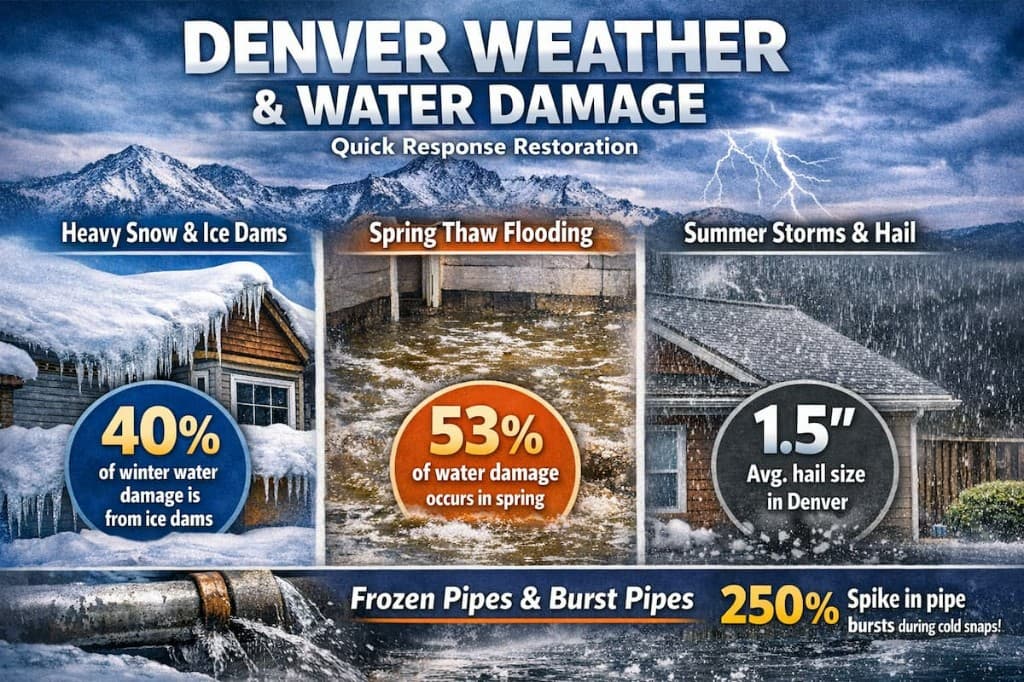
Denver's climate is known for its unpredictability. From sudden snowstorms to intense summer rain and rapid temperature shifts, the city experiences a wide range of weather conditions throughout the year. According to industry insights, weather-related water damage accounts for a significant portion of residential property claims, especially in regions with fluctuating temperatures like Denver.
For homeowners dealing with Water Damage Restoration Denver, understanding how local weather contributes to water damage is essential. Being aware of these risks allows you to take preventative measures and respond quickly when problems arise.
Why Denver's Climate Creates Unique Risks
Denver's weather patterns are characterized by rapid changes. A warm afternoon can quickly turn into a cold evening, causing materials to expand and contract.
These fluctuations can weaken structural components over time, increasing the likelihood of issues that require Water Damage Services Denver. Homes in this region must withstand a combination of moisture, temperature swings, and seasonal extremes.
Snow and Ice: A Major Winter Threat
Ice Dams on Roofs
During winter, melting snow can refreeze at the edges of roofs, forming ice dams. These dams prevent proper drainage and cause water to back up under shingles.
This trapped water can seep into ceilings and walls, leading to damage that may require Water Damage Restoration Denver.
Snow Accumulation and Melting
Heavy snow accumulation adds weight to roofs and increases the risk of leaks during melting periods. As snow melts, water can find its way into small cracks or gaps.
Proper insulation and ventilation are critical to preventing these issues.
Spring Thaw and Groundwater Intrusion
Rapid Snowmelt
As temperatures rise, accumulated snow melts quickly, saturating the ground. This can lead to water pooling around foundations.
When water seeps into basements or crawl spaces, it often requires Water Damage Services Denver to address the issue.
Foundation Vulnerabilities
Cracks in foundations become entry points for water during the spring thaw. Even small openings can allow significant moisture intrusion.
Early detection helps prevent long-term structural damage.
Summer Storms and Heavy Rainfall
Intense Rainfall Events
Denver experiences sudden summer storms that can produce heavy rainfall in a short time. This overwhelms drainage systems and increases flood risk.
Many homeowners search for Water Damage Restoration Near Me during these events to get immediate help.
Poor Drainage Systems
If gutters and downspouts are not functioning properly, water can accumulate near the home's foundation. This increases the likelihood of seepage.
Maintaining proper drainage is essential for preventing water damage.
Hailstorms and Roof Damage
Impact on Roofing Materials
Denver is known for its frequent hailstorms, which can damage shingles, flashing, and other roofing components. Even small hailstones can weaken roofing materials.
This damage creates entry points for water.
Hidden Roof Leaks
Hail damage may not be immediately visible, allowing water to infiltrate slowly over time. This can lead to significant interior damage.
Regular roof inspections help identify and address these issues early.
Temperature Fluctuations and Pipe Bursts
Expansion and Contraction of Materials
Rapid temperature changes cause pipes and building materials to expand and contract. Over time, this can lead to cracks or failures.
Burst pipes are a common cause of water damage in colder months.
Frozen Pipes in Winter
When temperatures drop, water inside pipes can freeze and expand, causing pipes to burst. This releases large amounts of water quickly.
Immediate action is required to minimize damage.
Humidity and Indoor Moisture Issues
Seasonal Humidity Changes
Although Denver is generally dry, indoor humidity levels can fluctuate, especially during certain seasons. This can lead to condensation buildup.
Moisture accumulation can damage walls, ceilings, and flooring.
Poor Ventilation
Inadequate ventilation traps moisture indoors, creating conditions for mold growth and water damage.
Addressing ventilation issues helps maintain a healthy indoor environment.
Signs of Weather-Related Water Damage
Water Stains and Discoloration
Stains on ceilings or walls often indicate moisture intrusion caused by leaks or condensation. These signs should not be ignored.
Early detection helps prevent further damage.
Musty Odors
A persistent musty smell is a common indicator of hidden moisture or mold growth. This often occurs in basements or poorly ventilated areas.
Homeowners frequently search for Water Damage Restoration Near Me when these odors appear.
Warped or Damaged Materials
Floors, walls, and ceilings may warp or crack due to prolonged exposure to moisture. These changes indicate deeper structural issues.
Preventative Measures for Denver Homeowners
Inspecting and maintaining your roof and gutters ensures proper water drainage. This reduces the risk of leaks and water accumulation. Routine maintenance is key to prevention.
Insulation and Pipe Protection
Proper insulation helps prevent frozen pipes and reduces temperature-related damage. Protecting pipes during winter is especially important.
This simple step can prevent costly repairs.
Foundation Sealing and Drainage
Sealing foundation cracks and improving drainage systems helps keep water away from your home.
Preventative measures reduce the likelihood of water intrusion.
Why Professional Restoration Is Essential
Professionals use specialized equipment to detect hidden moisture and assess damage accurately. This ensures no affected areas are overlooked. Accurate detection supports effective restoration.
Restoration includes water removal, drying, cleaning, and repairs. This ensures your property is fully restored and protected. Professional services provide long-term solutions.
Still have questions about water damage? Let our experts answer the most common queries asked by homeowners.
FAQs About Weather-Related Water Damage in Denver
How does Denver's weather cause water damage?
Rapid temperature changes, snow, rain, and hail all contribute to water intrusion and structural damage.
What is the most common weather-related cause?
Snowmelt and heavy rainfall are among the most common causes.
Can water damage occur in winter?
Yes, frozen pipes and ice dams are major causes during the winter months.
How can I prevent weather-related water damage?
Regular maintenance, proper insulation, and good drainage systems help reduce risk.
When should I call a professional?
At the first sign of water damage to prevent further issues.
Conclusion: Contact Experts for Quick Restoration Service
Denver's diverse weather conditions create unique challenges for homeowners. From snow and ice to storms and temperature fluctuations, multiple factors contribute to water damage risks.
Understanding these risks and taking preventative measures can help protect your home. Acting quickly when issues arise ensures minimal damage and long-term safety.
Quick Response Restoration is a trusted provider of restoration services in Denver, offering fast and reliable solutions for water damage emergencies. Our experienced team uses advanced equipment and proven techniques to handle water damage efficiently.
With a commitment to rapid response and quality service, Quick Response Restoration helps homeowners protect their properties and recover quickly from unexpected damage. Contact us to schedule a restoration service.